
Data Science @ Datapop: The Marketing Knowledge Graph
presented by Dr. Ben Zamanzadeh, CTO at DataPop
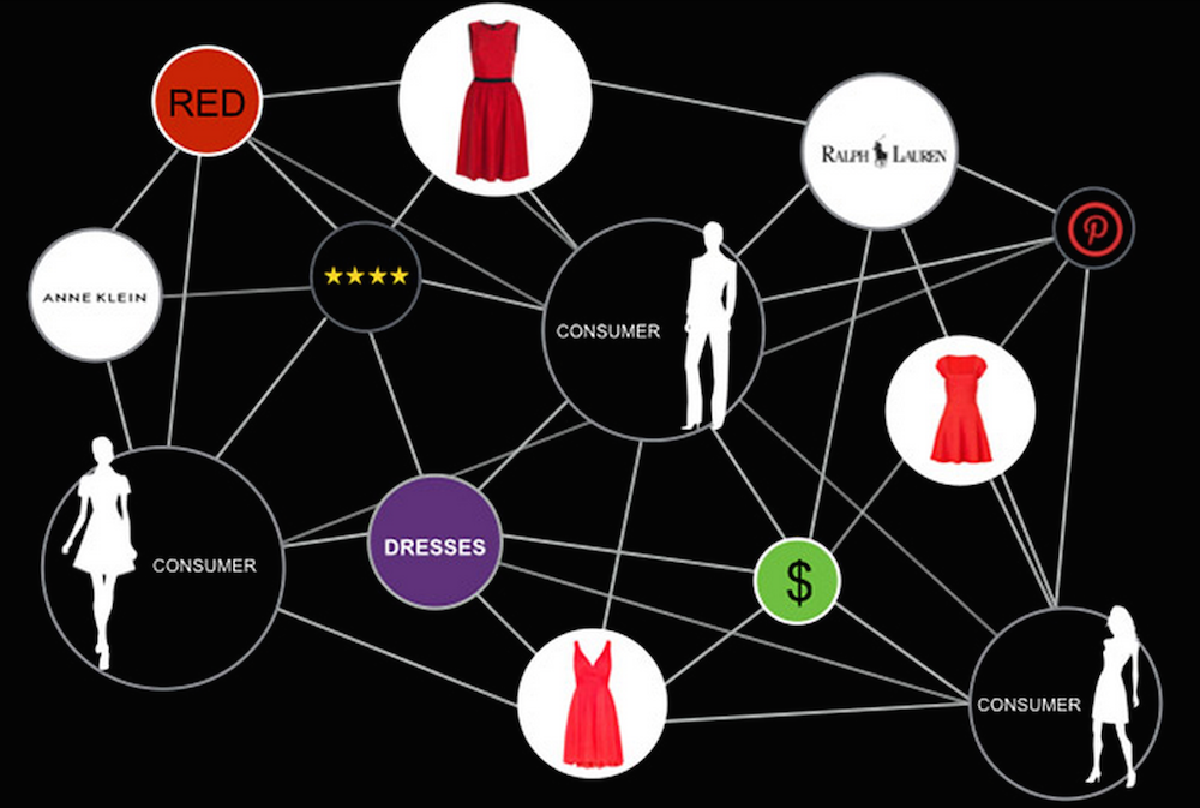
Today’s eCommerce has evolved into a complex multi-dimensional optimization problem. DataPop’s semantic technology and Marketing Knowledge Graph is used to generate Omni-Channel advertising campaigns. This presentation will review our technology stack, machine learning models, discuss what worked what did not work for us and do a live demo of Marketing Knowledge Graph.
Dr. Ben Zamanzadeh is passionate about innovation, machine learning and solving challenging R&D problems. Previously he served as VPE at LeadPoint and led Yahoo’s Domain Search and R&D teams. Ben has experience in search, ad tech, eCommerce, financial, mobile, data science, machine learning and semantic computing. Ben holds a Ph.D. in Computer Science from the UCLA where he serves on the CS Advisory Board.
Date: January 13, 2015
Timeline:
- 6:30pm food/drinks and networking
- 7:30pm talk starts promptly
You must have a confirmed RSVP and please arrive by 7:25pm the latest. Please RSVP here on Eventbrite.
Venue: Cross Campus in Santa Monica will kindly host this meetup, and Factual will kindly sponsor this meetup, providing food+drinks.