

At the useR! 2014 conference, without a doubt one of the overriding themes was R’s history, legacy, and future as an interface into the “best of the best” algorithms which were available. Romain Francois’ package, Rcpp11, is very much the spirit and the letter of this ethos and telos of R as an interface. This package is a reimplementation of Dirk Eddelbuettel’s Rcpp package with an emphasis on C++ 11’s features. Whether it’s an R user hitting performance limitations, or someone trying to integrate a C/C++ library into their analysis, Romain’s tools are there to help.
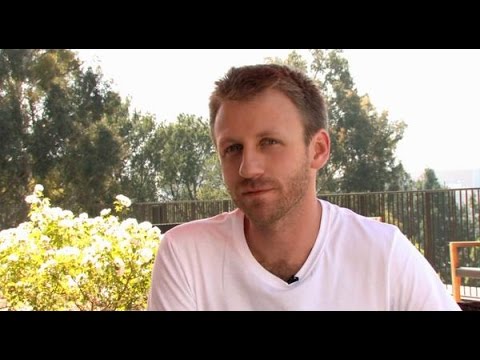
An R programmer for over a decade, Romain started as an “R first” developer, only later moving to more traditional software engineering languages. In this interview, Romain and I discuss a wide range of topics, from R’s history as an interface for algorithms, through Romain’s experiences in HPC and his collaboration with Hadley Wickham on dplyr. Romain also shares a little bit about his other passion, stand-up comedy.
VIDEO BREAKDOWN#
Please click here to see the video directly on YouTube. Or if you prefer, subscribe to our podcast to get the audio!
An Overview of Rcpp11#
At useR! 2014, Romain presented on Rcpp11, (from his abstract):
Rcpp11 is a complete rewrite of the Rcpp library, it takes advantage of C++11 to make the user experience of combining R and C++ even better and more future proof. Rcpp11 was also an opportunity to review the code base of Rcpp, identify mistakes and fix them. Rcpp11 is a smaller, cleaner implementation of the Rcpp api, written with C++11 in mind.
He presents an introduction to Rcpp here, in the video below.
Collaboration with Hadley Wickham#
I have already mentioned using dplyr as my greatest productivity enhancement of 2014. While most people would associate Hadley with dplyr, the pacakge has been the result of a fruitful collaboration between the two of them. Here, Romain discusses what it’s like collaborating with a community leader on such a useful package.
Advice to New Developers#
Romain provides some targeted and valuable advice to new users and developers starting their journey with R. While discussing the many twists and turns of a programmers journey, he highlights one singular action to both bolster your confidence and increase your understanding of the larger R ecosystem.
Stand-up Comedy#
Romain was kind enough to provide us with a bit of insight into his parellel existence. When he’s isn’t touring around the world giving tutorials and talks about R/HPC, he is also a stand-up comic. Tune in below to hear his insights on how comedy is suited for him and what it allows him to do:
Conclusion#
Romain’s technological contributions to our field are many, and his depth of knowledge in how to integrate R with external packages and languages is among the very best. A few weeks ago, Romain found himself speaking to the Budapest R Meetup run by friend of DataScience.LA, Gergely Daróczy. At this meetup, Romain gave an hour-long presentation (in English) with a great deal of detailed information about Rcpp11. After you’ve checked out our interview above, please make sure to catch his presentation, available here.