
R is an open source software and programming language for data analysis, statistical modeling, visualization and data mining among other things. Recently, as the term “data science” has emerged to describe collectively these tasks, R has also become the primary tool of choice for data scientists. The LA R meetup began before this data science boom, back in 2009, by bringing together local users of R and featuring talks with world-class speakers while creating fruitful networking opportunities for its members. In retrospect, this group served as the very first data science meetup in Los Angeles and has significantly contributed to the development of our local data science community.
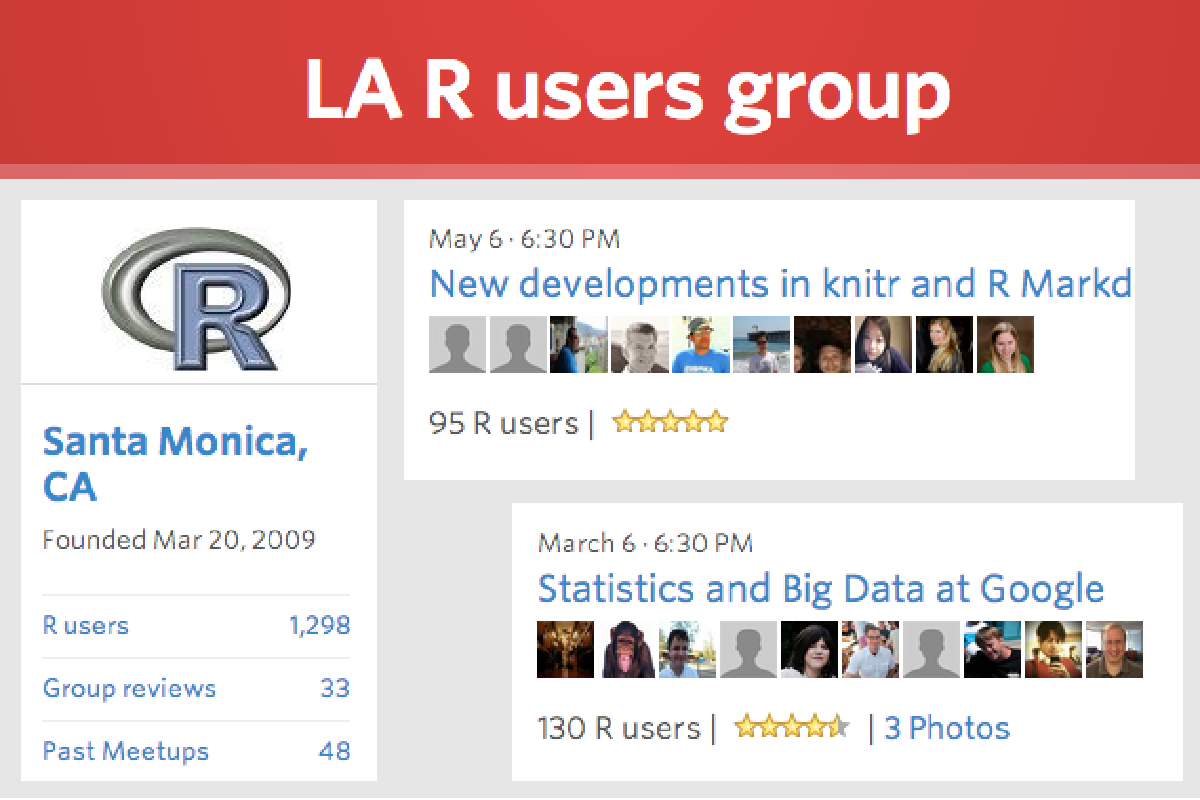
Meetup Groups: LA R Meetup
·1 min

Related
R Meetup with Hadley Wickham
·1 min
Update: Video of the 2nd half of the talk is here (1st half was not recorded, sorry):
This video is no longer available on YouTube (original link).
In our next meetup, we’ll have Hadley (I think no introduction needed).
Packages made easy
by Hadley Wickham

Data Science/Statistics/R @Google
·2 mins
This meetup will be hosted by Google and we’ll have Peter Lipman and Pete Meyer talk about the data science/statistics projects they have been working on at Google.
Human Evaluation Comparisons: Common Framework with Applications
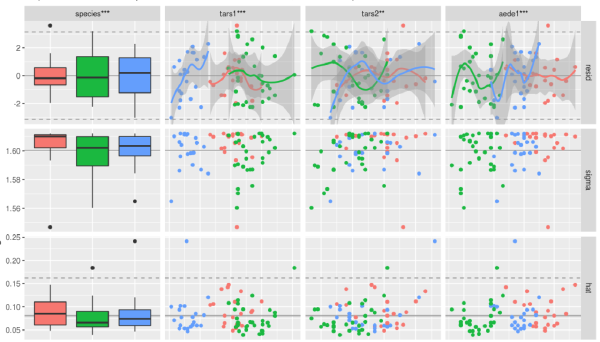
We designed a study to determine whether being on device influenced a quality evaluator’s perception of ads quality. Here, we present a common framework, developed into an internal R package, that was used to analyze the study.
Secure your Shiny apps (against SQL injection)
·5 mins
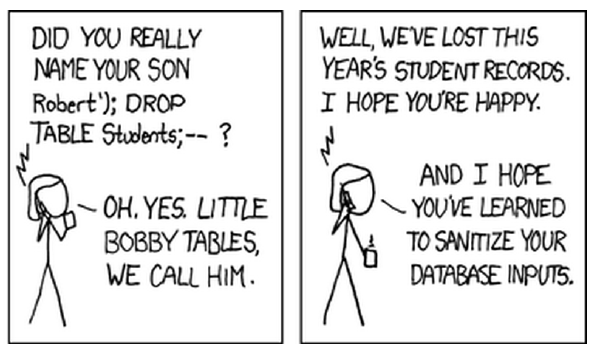
Shiny takes inputs from UI elements and sends them to the server, where the application can access them as R variables. While Shiny has security measures in place, as in any typical web application, it remains the developer’s responsibility to sanitize the inputs before using them. For example, Shiny has no way to protect you if you are using an input in a SQL query such as select ... from ... where field = 'input'. Someone manipulating the websocket communication can craft a specially-formatted input that can force the database to execute a query that it is not supposed to do, termed an SQL injection. This might give an attacker access to private data or the ability to do other nefarious things, and it is a common security issue.