This meetup will be hosted by Google and we’ll have Peter Lipman and Pete Meyer talk about the data science/statistics projects they have been working on at Google.
Human Evaluation Comparisons: Common Framework with Applications
We designed a study to determine whether being on device influenced a quality evaluator’s perception of ads quality. Here, we present a common framework, developed into an internal R package, that was used to analyze the study.
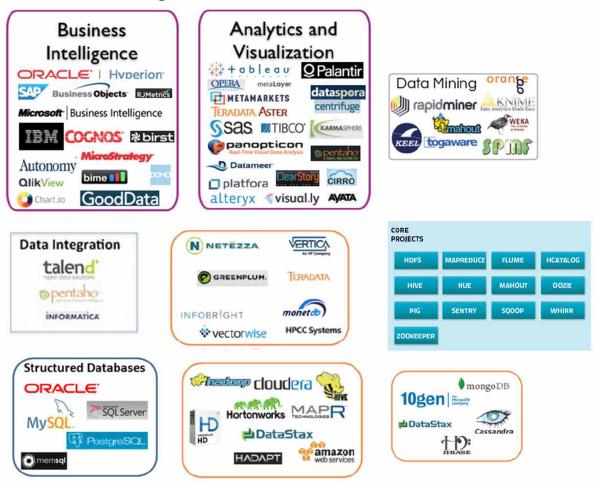
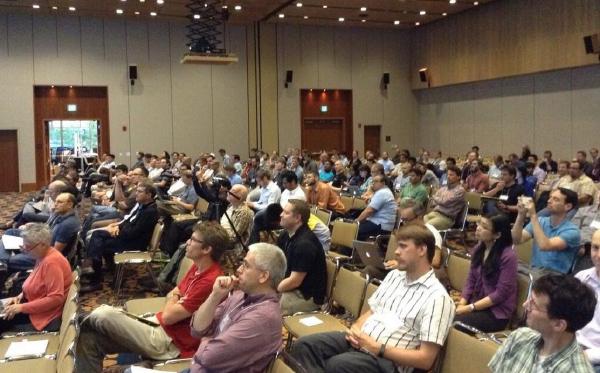
The LA Data Warehouse, Business Analytics and Analytics meetup had a fantastic first event with a great audience (full house), an awesome host (thanks Edmunds: Punnoose for taking the lead and the Team onsite and helping) and a great mix of 3 talks overviewing the field.
This was originally posted on the author’s LinkedIn
You will find lots of advice on how to get a job as a data scientist. I want to add some signal to the noise.
I happen to be hiring for a Data Scientist or two as of this writing, and was thinking of doing a blog post on offering advice for those looking. But then I thought of something better and more insightful: It is a cut-and-paste of an email that I sent to our Director of Talent Acquisition last week when he asked me, “Can you share with me what you’re looking for in regards to your Data Scientist candidates?”
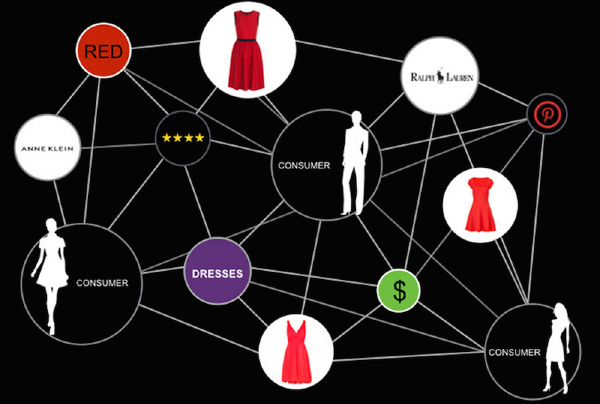
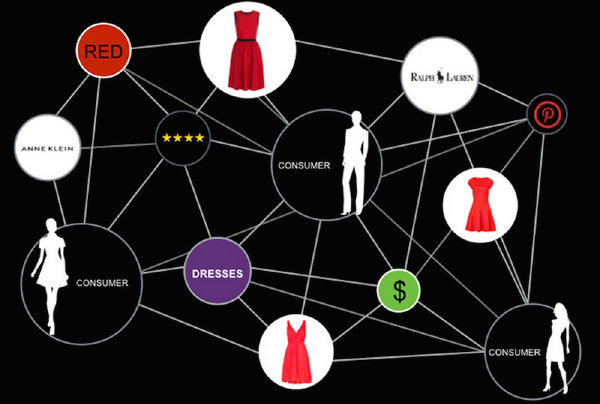
Ben Zamanzadeh - Data Science @ Datapop - LA Data Science meetup - January 2015 · Speaker Deck On January 13th, DataScience.LA held its first Data Science meetup of 2015, hosting a speaker from a local semantic advertising startup, DataPop. Their CTO, Dr. Ben Zamanzadeh, gave an in-depth presentation (linked above) of his perspective on e-commerce and advertising, which focused on extracting semantic meaning and DataPop’s marketing knowledge graph. He began his talk by discussing the evolution of e-commerce and moved quickly to semantics, making some very strong statements regarding DataPop’s architectural choices. For example, even though they provide a semantic graph, they are based on Redshift and do not use graph databases - which was quite the surprise to us here at DataScience.LA! At one point, Dr. Zamanzadeh even commented,
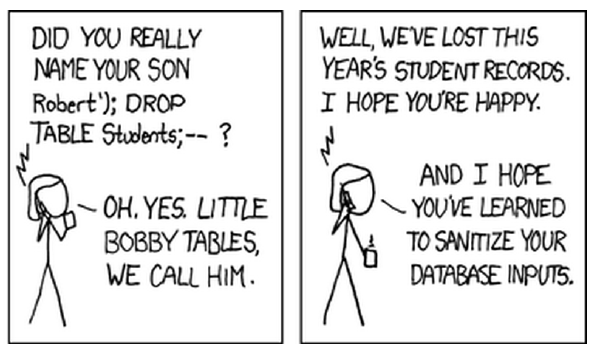
Shiny takes inputs from UI elements and sends them to the server, where the application can access them as R variables. While Shiny has security measures in place, as in any typical web application, it remains the developer’s responsibility to sanitize the inputs before using them. For example, Shiny has no way to protect you if you are using an input in a SQL query such as select ... from ... where field = 'input'. Someone manipulating the websocket communication can craft a specially-formatted input that can force the database to execute a query that it is not supposed to do, termed an SQL injection. This might give an attacker access to private data or the ability to do other nefarious things, and it is a common security issue.
(Posting the slides and video recording from this event is long overdue - our apologies for the delay.)
At the September LA Data Science/Machine Learning meetup we had IRIS.TV’s Chief Data Scientist Tom Sullivan and VP of Engineering Joel Spitalnik presenting.
IRIS.TV is a video recommendation engine, and in their excellent talk Tom & Joel shared with us their approach to personalization and how they use machine learning to achieve their goals. They also shared the architecture of their systems, including how data is flowing between the various parts (i.e. the ETL pipeline). One thing that popped up as a question and I found interesting is that the usage of R and Python in their company is split 50-50. In fact, while Tom is using mainly R, Joel is using mainly Python. While this is perhaps unusual at a relatively small startup, our survey on software tools used for data science revealed that most data scientists in LA (at least those attending the meetups) are using R or Python, with a roughly equal split/small advantage for R. It just happens that for obvious reasons (such as network effects) that one tool dominates in most companies.